
Inflation is picking up again, and you’re probably wondering how precious metals like gold and silver hold up when prices climb.
This guide breaks down their performance across inflation cycles, drawing from historical patterns and key drivers.
It’s a straightforward look at why they often shine as hedges in uncertain times.
Understanding Inflation Cycles

Inflation cycles erode your buying power over time.
Spot their patterns to protect your money.
Rising prices come from loose money policies or supply shocks.
The Federal Reserve fights back by hiking interest rates.
Gold and silver become safe havens in tough times.
They hold value when paper money loses strength.
Add them to diversify your portfolio against uncertainty.
Gold and silver prices climb when real interest rates drop.
This cuts the chance cost of holding them.
Buy physical gold coins, silver coins, or bullion for real protection.
Types of Inflation
Demand-pull inflation hits when people want more than stores can supply.
Prices skyrocket, pushing up asset values.
Cost-push inflation comes from higher costs like energy.
Gold shines here as a real asset.
Built-in inflation spirals from rising wages chasing higher prices.
The 1970s oil shocks sparked cost-push inflation.
Investors rushed to precious metals as a shield.
Spot inflation types with these tips:
- Track spending booms for demand-pull. Stack American Gold Eagles!
- Watch energy costs for cost-push. Load up on industrial silver.
- Eye wage hikes for built-in inflation. Mix in platinum and palladium.
- Check money policy clues. Cut U.S. dollar holdings.
- Gauge investor mood. Boost gold reserves in shaky times.
These moves customize your portfolio against inflation.
Watch your wealth grow long-term!
Historical Inflation Patterns
Past inflation waves show clear triggers and lengths.
Use them to guide your moves today.
1970s oil shocks spiked prices.
The Fed hiked rates. Post-WWII saw calm as economies settled.
Banks raise rates to fight deficits and too much money.
2008 mixed inflation fears with recession, lifting gold.
Cycles tie to dollar ups and downs.
Spot early signs with this simple method:
- Check CPI trends in 2-3 minutes for speed-ups.
- Track policy shifts like rate hikes or money printing.
- Note cycle lengths and how they affect market cash flow.
Negative rates prove metals hedge inflation.
Adjust your bullion or coins from spots like Las Vegas or America’s Gold Company.
They save value in scarce, wild times.
Role of Precious Metals as Inflation Hedges
Precious metals shield your buying power from weak paper money.
Their scarcity beats central bank money printing.
Unlike stocks, they hold firm when currencies tank.
Metals zig when stocks zag.
They stay steady in chaos.
Consider gold, silver, platinum, and palladium.
Tangible gold and silver coins cut your risks.
1970s and 2008 prove they guard wealth in inflation storms.
Gold’s Track Record
Gold crushes it in inflation surges.
It stores value as money weakens.
Gold rises when real rates or the dollar drop.
Jump in for protection!
Gold beats others in hot inflation as a top safe haven.
See key differences below.
| Asset | Inflation Response | Liquidity |
|---|---|---|
| Gold | Strong hedge, preserves value | High global market |
| S&P 500 | Often declines in real terms | Very high |
| TIPS | Adjusts for inflation | High, bond market |
History proves gold’s toughness in low rates and dollar swings.
Make it your portfolio core!
- Check Fed signals daily in 1 minute.
- Weigh cost vs. bonds in low-rate times.
- Pick coins, bullion, or easy ETFs.
- Put 5-10% of your portfolio in gold!
Silver Performance in Inflationary Periods
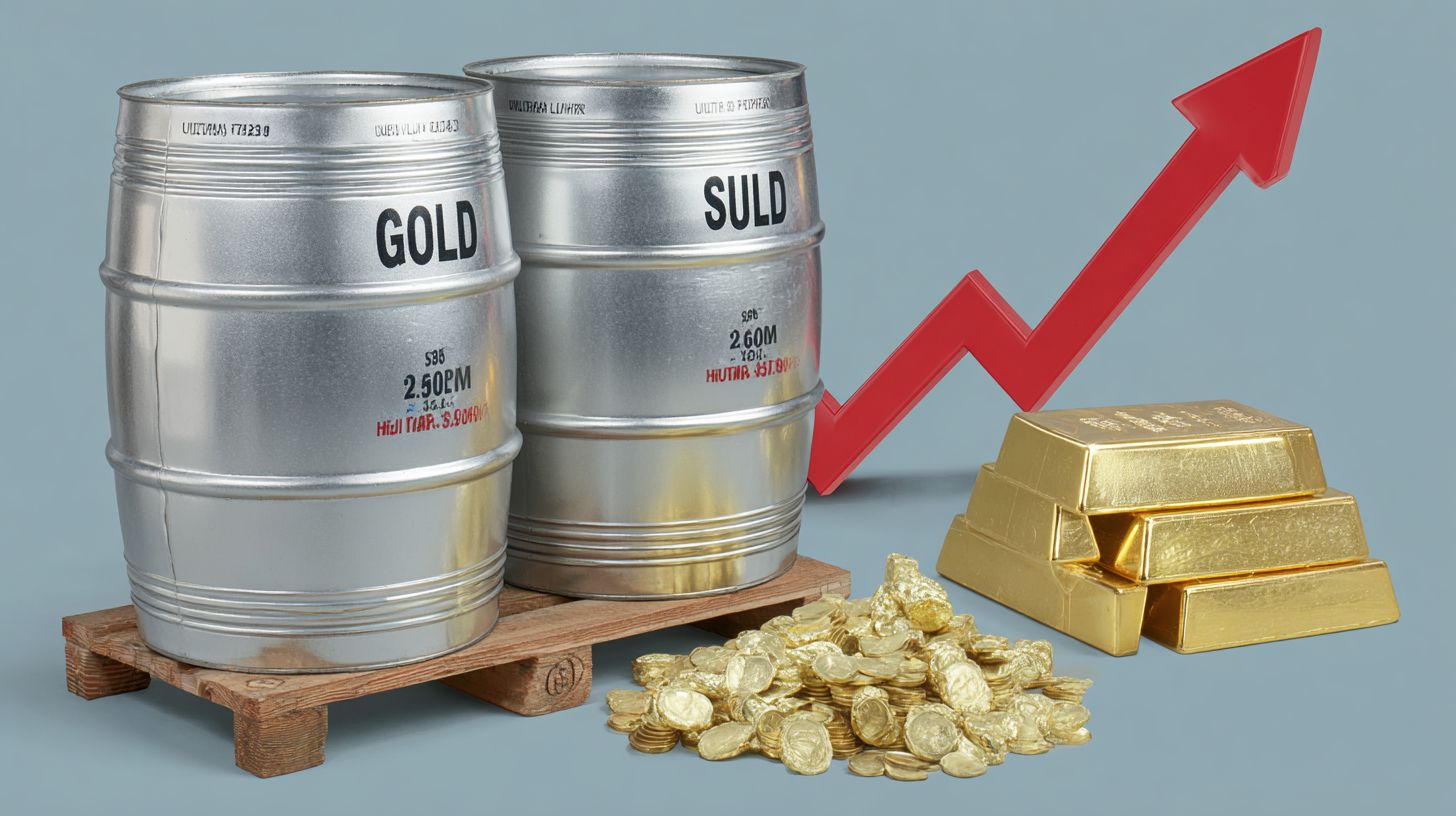
Silver supercharges inflation protection.
It works as money and industrial metal with huge factory demand.
Unlike steady gold, silver swings wild from solar and tech needs.
It reacts fast to economic shifts.
Factory demand swings silver prices big time.
Gold stays calmer.
Growth plus inflation ramps electronics and green tech.
Silver demand explodes.
Downturns crush it fast.
Mines can’t keep up with solar cells and circuit boards.
Banks stock gold, not silver.
Silver rides market waves hard.
Bet on it for leveraged inflation wins!
In inflation recessions, silver leverages gains as real asset.
1970s trends show it crushing when money weakens.
Pair with diversification for big long-term wins.
Silver vs. Gold: Key Comparisons
| Factor | Silver | Gold |
|---|---|---|
| Beta to Inflation | Higher due to industrial demand | Lower, more stable safe-haven role |
| Storage Cost | Higher volume per value requires more space | Lower, denser form easier to store |
| Entry Price | Lower per ounce, accessible for stacking | Higher, suits larger investments |
Silver fits bold hedges.
Gold gives steady shield from rates and dollar moves.
Silver amps uncertainty gains.
Pick by your risk level and storage.
Step-by-Step Silver Stacking Strategy
- Track quarterly industrial trends like solar and electronics sales.
- Buy silver coins or bullion on dips, like American Silver Eagles.
- Store safe, allocate 5-10% for inflation defense.
- Rebalance yearly, sell if demand drops in recessions.
Leverage silver’s scarcity for huge returns.
Time buys with Fed rate signals.
Mix with gold for perfect balance!
Platinum and Palladium in Recessions and Inflation
Platinum and palladium react to inflation via car and factory uses.
They differ from safe-haven gold and silver.
Prices climb with steady manufacturing during inflation.
South Africa and Russia supply issues create scarcity premiums.
Disruptions spike prices in uncertainty.
Unlike stable gold, these face big supply risks.
They have more industry ties, wilder prices, and okay inflation hedges vs. gold/silver.
Check the table for planning.
| Metal | Industrial Exposure | Price Volatility | Hedge Strength |
|---|---|---|---|
| Gold | Low | Moderate | Strong |
| Silver | Moderate | High | Moderate |
| Platinum | High | High | Moderate |
| Palladium | High | Very High | Moderate |
Pick platinum and palladium for mild inflation with strong car demand.
Watch for cheaper substitute risks.
Balance with gold for top diversification.
Step-by-Step Monitoring Guide
- Check weekly auto production reports.
- Compare spot to futures for scarcity premiums.
- Mix with gold, tweak on real rates.
Watch South Africa and Russia news for supply shocks.
Pair with bank policy changes.
Regular checks cut costs in wild markets.
Key Historical Case Studies
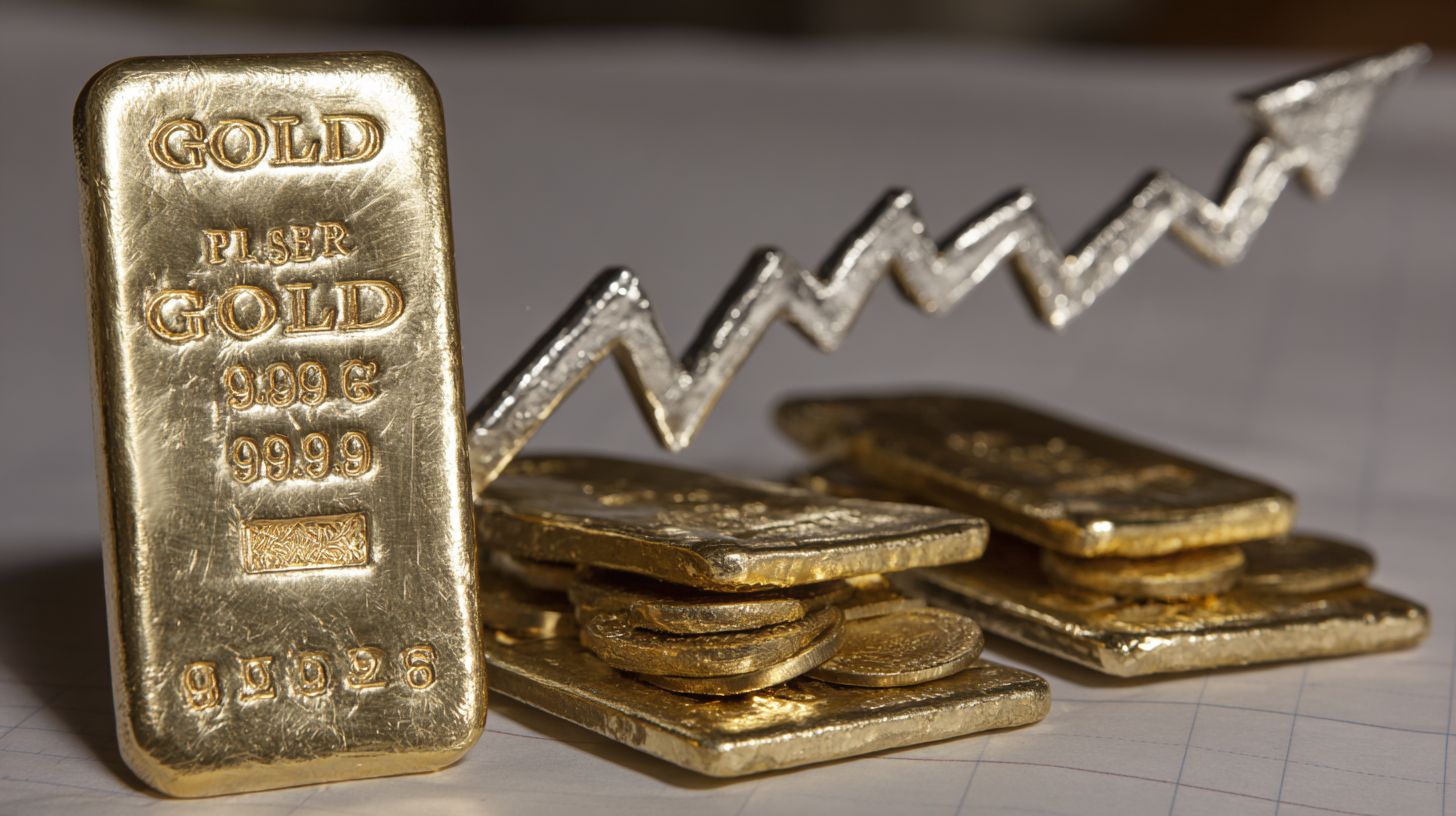
1970s and 2008 show metals toughing out wild inflation.
They prove gold and silver as top safe havens.
Protect your buying power from money crashes!
Today’s portfolios need these lessons.
Track Fed moves and deficits to beat risks.
Go physical over paper for real safety.
Gold and silver prices soar in uncertainty.
They match today’s low rates and energy shifts.
Build strength with American Gold Eagles and Canadian Maple Leafs!
1970s Stagflation Era
High inflation met zero growth.
Gold and silver became ultimate safe havens.
Oil shocks and slow Fed responses exploded prices.
1980 gold freedom unleashed more gains.
Key lessons for now: Scan budgets monthly to beat deficit-driven inflation.
Ditch low-yield cash to dodge big costs.
Choose physical over paper for scarcity edge.
It matches today’s energy boom lifting platinum and palladium.
| Portfolio Mix | Pre-1970s Focus | Post-1970s Adjustment |
|---|---|---|
| Equities | Heavy allocation | Reduced exposure |
| Bonds | Primary fixed income | Limited due to rates |
| Precious Metals | Minimal | Core hedge (gold, silver bullion) |
| Cash | Safe reserve | Avoided for opportunity cost |
Post-2008 Quantitative Easing
Central banks printed money after the 2008 crisis.
This highlighted precious metals as protection against falling paper money value.
Gold prices soared with QE rounds.
Investors rushed to safe havens.
Track Fed balance sheet growth for loose policy signals.
Buy bullion when real interest rates go negative.
Get gold and silver coins for easy trading and carrying.
Use these tips amid recession fears!
| Performance Phase | Gold | Silver | Platinum/Palladium |
|---|---|---|---|
| QE Peak (2011) | Strong rally | Volatile surge | Industrial drag |
| Dollar Strength (2015) | Correction | Sharp decline | Mixed recovery |
| Negative Rates (2020) | Renewed hedge | Speculative boost | Demand rebound |
Mechanisms Driving Performance
Precious metals shine in inflation thanks to limited supply and surging demand.
Central banks stockpile gold to fight currency drops.
In tough times, investors grab physical gold.
Low real rates make it a smart pick.
Fed moves sway feelings.
Negative real rates? Gold prices rocket.
Metals crushed it in 1970s stagflation and 2008 crash.
Watch dollar weakness for big wins.
Supply-Demand Factors
Mines run dry while factories and investors crave more metals.
Gold’s rare status makes it the top inflation fighter.
Silver powers solar panels.
Platinum rules car exhausts.
- Do 30-minute yearly supply checks with USGS and LBMA data.
- Predict demand from jewelry or car parts.
- Buy when supply lags-act fast on silver or platinum deals!
| Metal | Key Demand Driver | Supply Risk |
|---|---|---|
| Gold | Investment and central bank reserves | Depleting mine output |
| Silver | Industrial use in solar panels | Byproduct dependency |
| Platinum | Automotive catalysts | Geopolitical mine disruptions |
| Palladium | Catalytic converters | Concentrated South African supply |
Modern Inflation Context (2020s)
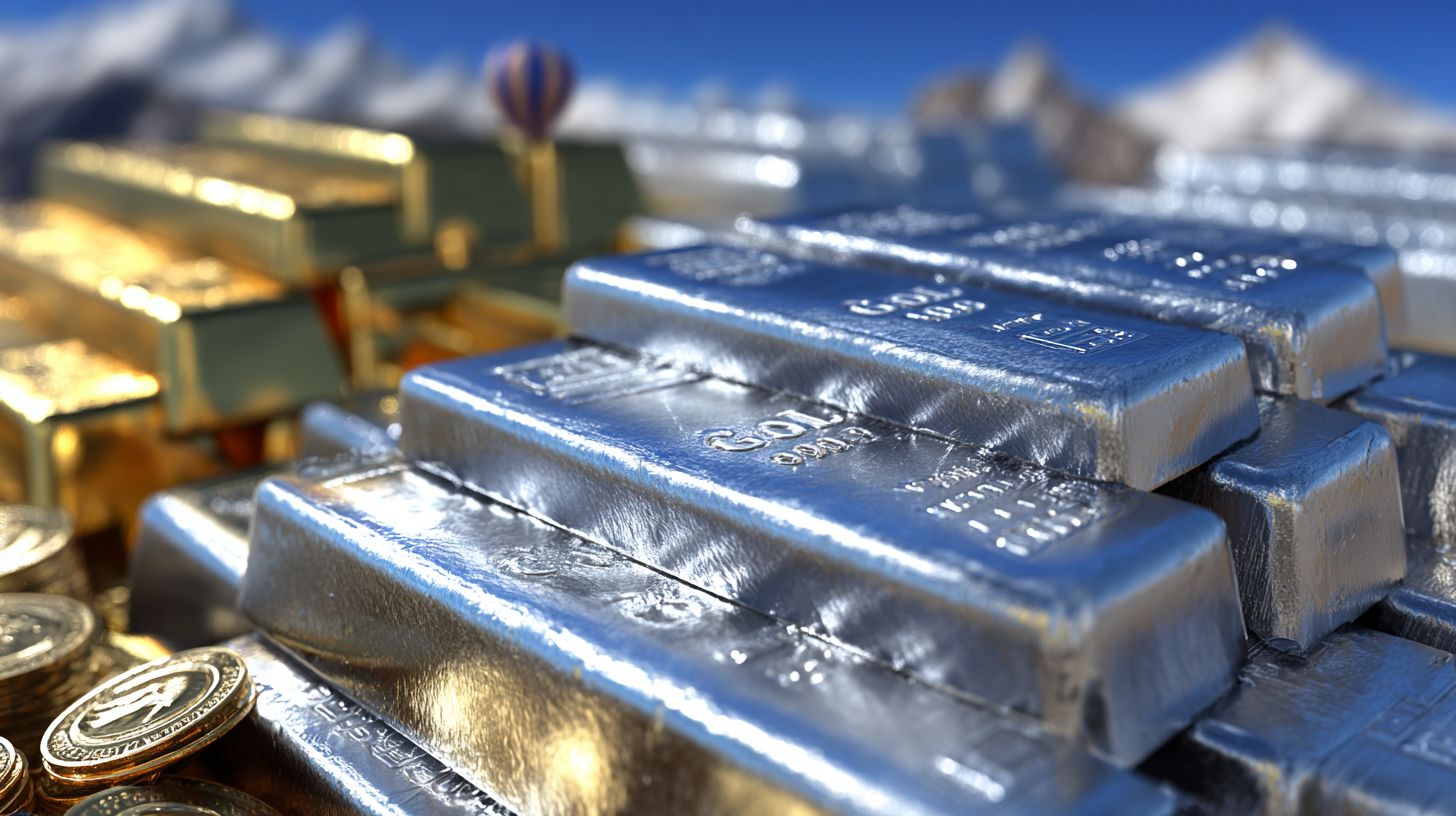
Supply snarls and huge spending spark today’s inflation.
Fed hikes battle sticky prices-time for gold and silver!
Dollar power can hurt non-yielding metals.
But crises make them shine.
Check real rates weekly to time buys.
Beat TIPS for true hedging power.
- Buy dips aggressively.
- Size based on rates and dollar moves.
- Get bullion from trusted spots like America’s Gold Company, The Bullion Bank, or DEIGOLDANDSILVERCOINS in Las Vegas, Vienna, Chantilly.
| 2020s Triggers | Historical Parallels |
|---|---|
| Supply chain issues and fiscal spending | 1970s oil shocks and deficits |
| Fed hikes amid sticky CPI | 1980s Volcker tightening |
| Strong U.S. dollar pressures | 2008 crisis dollar rally |
| Post-pandemic recovery | Dot-com bust liquidity surge |
Investment Strategies and Risks
Balance metals’ hedge strength against rate rise risks.
They guard buying power in inflation storms.
Get physical gold and silver.
They beat dollar swings and policy chaos.
- Put 5-15% in American Gold Eagles, Canadian Maple Leafs, or silver coins. Takes 1 hour-do it today!
- Shop trusted dealers: America’s Gold Company, DEIGOLDANDSILVERCOINS, The Bullion Bank in Las Vegas, Vienna, Chantilly. Check for fakes.
Key Risks and Mitigation
Prices swing with sentiment, industry needs, and Fed calls.
Dollar-cost average into gold and silver-track CPI and TIPS.
Small stash? Use home safe.
Big pile? Pro vaults with insurance.
Sell fast via OTC-no big losses.
Hold through dips for huge long-term pops.
Physical vs. ETFs Comparison
Pick physical or ETFs by your needs: control vs ease.
Physical owns the real deal for crises.
| Aspect | Physical Precious Metals | ETFs |
|---|---|---|
| Pros | Direct ownership, no counterparty risk, tangible during crises | Easy trading, low storage needs, high liquidity |
| Cons | Storage and insurance costs, transport logistics | Management fees, potential tracking errors |
| Costs | Premiums over spot, vault fees | Annual expense ratios, brokerage commissions |
Exit Rules for Long-Term Growth
Sell chunks when central banks tighten or gold piles up.
Hold years to grab full trends!
Watch rates vs S&P 500.
Exit on dollar surges, shift to stocks or bonds.