
Introduction to Platinum in Industry
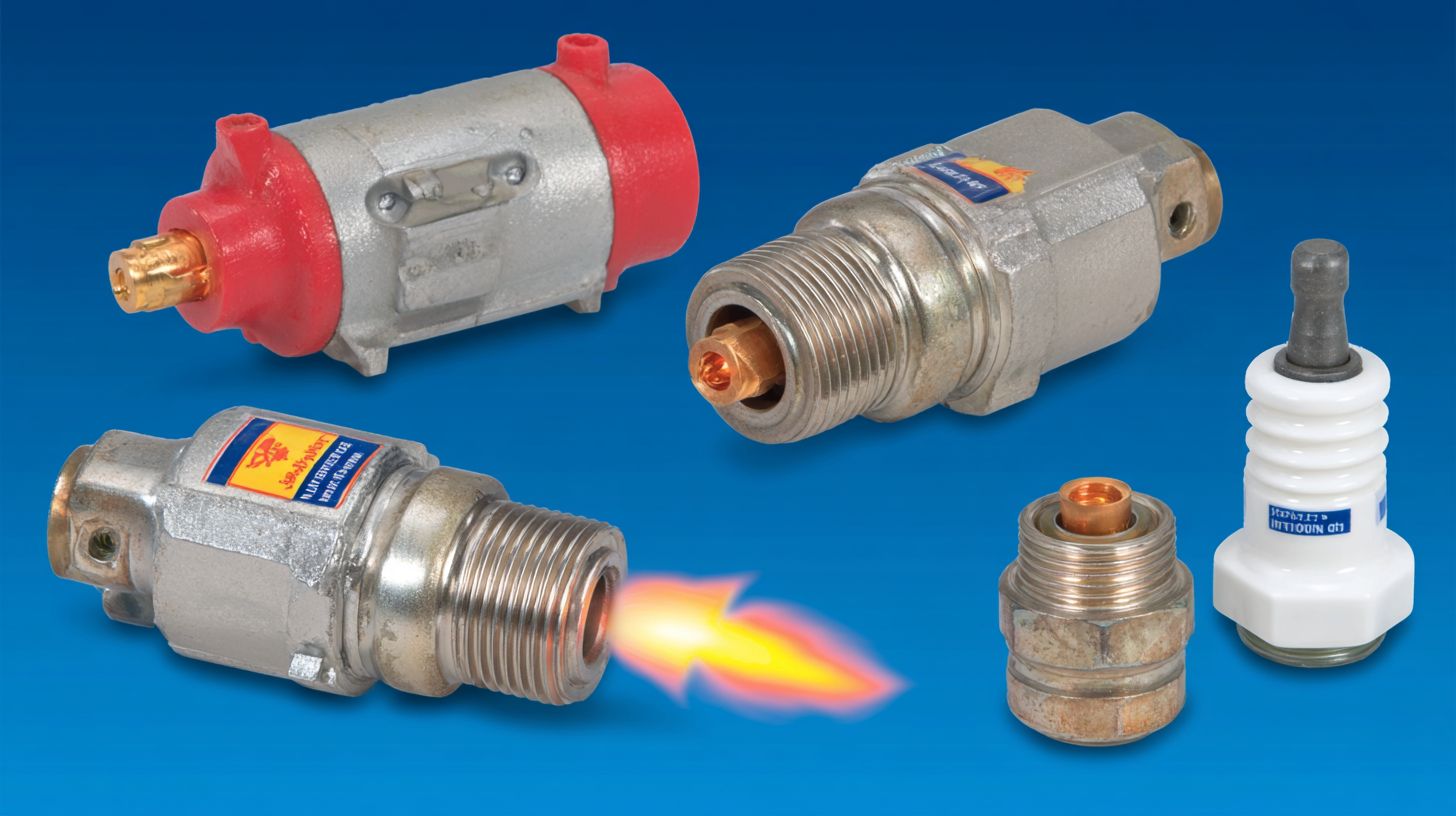
Ever wondered why platinum shines in high-tech gear? This rare metal drives key industrial uses from car exhausts to electronics. Get ready to discover how it powers them all!
- Industrial applications
- Autocatalysts
- Medical devices
- WPIC forecast
Exhaust Emission Control
Catalytic converters use platinum to turn harmful exhaust gases into safer ones. It powers autocatalysts in vehicles through a three-way catalytic converter.
Platinum handles oxidation and reduction reactions fast.
Platinum turns CO and unburned fuel into CO 2 and H 2 O. It cuts NOx back to N 2.
These reactions happen at high heat in engine exhaust.
Converters use 1-3 grams of platinum per unit for top efficiency. It beats base metals with great heat resistance in tough conditions.
- CO + O 2 CO 2 (platinum oxidizes CO).
- Hydrocarbons (e.g., CH 4) + 2O 2 CO 2 + 2H 2 O (platinum oxidizes unburned fuel).
- 2NO N 2 + O 2 (platinum reduces NOx to nitrogen).
| Metal | City Driving (Low Temp) | Highway Driving (High Temp) | Durability |
|---|---|---|---|
| Platinum | Excellent for NOx reduction | Superior oxidation stability | High resistance to sintering |
| Palladium | Good for hydrocarbons | Moderate at extreme heat | Prone to poisoning |
| Rhodium | Best NOx converter | Less effective oxidation | Costly, lower thermal stability |
Lead from bad fuel poisons platinum. Overheating from misfires also kills converters.
Use unleaded fuel and replace spark plugs on time. Check emissions regularly to spot problems fast.
Catalytic Reactions
Platinum catalysts speed up reactions in oil refining and nitric acid making. They cut energy needs for big industrial wins.
Platinum-rhenium catalysts turn naphtha into high-octane gas. Steps include dehydrogenation, isomerization, cyclization, and dehydrocyclization.
Platinum gauze packs oxidize ammonia at 900 degreesC for nitric acid. Air and ammonia mix over it to make nitric oxide for fertilizers via the Ostwald process.
Burn coke deposits carefully to regenerate catalysts. Redisperse platinum particles and watch for sintering.
Test regularly for peak performance.
- Use oxychlorination to redistribute platinum evenly on supports.
- Avoid overheating during decoking to prevent agglomeration.
- Test regenerated catalysts in pilot units before full-scale reuse.
| Reactor Type | Advantages | Disadvantages |
|---|---|---|
| Fixed-bed | Simple design, steady operation for reforming | Hot spots risk catalyst damage |
| Fluidized-bed | Uniform temperature, easy catalyst handling | Higher cost, erosion concerns |
Pick fixed-bed reactors for steady platinum reforming. Use fluidized-beds for ammonia oxidation and great heat transfer.
Match to your scale and feed changes.
Corrosion-Resistant Equipment
Platinum alloys make tough crucibles, electrodes, and spinnerets. They handle acids and molten stuff in chemical plants and glass melting.
In sulfuric acid plants, platinum alloys shield thermocouple sheaths from fumes. Anode baskets in plating baths resist wear during metal deposit.
Platinum-rhodium alloys tackle oil refining and glass production. Choose based on acids for max corrosion resistance.
| Alloy Composition | Corrosion Resistance in HCl | Corrosion Resistance in H2SO4 |
|---|---|---|
| Pt/Ir (90/10) | Moderate; suitable for dilute solutions | Excellent; ideal for concentrated acids |
| Pt/Rh (90/10) | Good; performs well in mild conditions | Very good; withstands high temperatures |
| Pure Pt | Low; vulnerable to strong HCl | Superior; handles hot sulfuric acid |
- Pick suppliers expert in platinum-group metals for chemical and glass work.
- Test samples in your acids like HCl or H2SO4.
- Check purity certifications.
Hard Disk Drives
Thin platinum films in hard drives pack in massive data. They build read/write heads and media for reliable storage.
Platinum alloys coat tiny sensors in read/write heads. 10-20 nm Pt layers create perpendicular magnetic anisotropy-straight-up magnetism for stable, dense data.
Sputtering blasts platinum atoms in a vacuum with argon gas. They land in thin, precise layers on disks.
Platinum fights demagnetization better than nickel or cobalt. HAMR (Heat-Assisted Magnetic Recording) uses it to survive laser heat and boost storage now!
Circuitry Components
Platinum makes electrodes, contacts, and resistors. It powers capacitors, wafers, stents, pacemakers, and hearing aids.
Its great conductivity and no-rust stability power high-reliability circuits.
Heat platinum on silicon at 500-700 degreesC to make platinum silicide for Schottky diodes. It creates fast-switch junctions for medical and electronic devices.
Thick-film platinum pastes print paths on ceramics for aerospace and defense circuits. Fire at 850 degreesC with heat-up, hold, and cool-down for tough bonds.
Platinum beats gold in RFID tags with top migration resistance. Gold creeps under heat; platinum stays put in tough spots.
Medical Applications
Platinum is body-friendly and super stable for life-saving medical devices. It fights corrosion and rarely causes allergies-perfect for implants and drugs!
Platinum powers anticancer drugs like Cisplatin and Carboplatin. They link DNA to halt cancer cell growth.
Use platinum in stents, pacemakers, and brain stimulators for Parkinson’s. Its allergy-free nature beats nickel.
Hearing aids and neural electrodes need platinum’s steady conductivity. ISO 10993 tests confirm safety for healthcare use.
Key Medical Uses of Platinum
- Anticancer drugs (Cisplatin, Carboplatin)
- Stents and pacemakers
- Hearing aids and neural electrodes
- Deep brain stimulators
Platinum shines in medicine, from drugs to devices. It boosts patient safety with its unique properties.
- Anticancer drugs: Cisplatin and Carboplatin bind to DNA. They form cross-links that stop tumor cell growth.
- Implants: Platinum keeps arteries open in stents. It controls heart rhythm in pacemakers and manages Parkinson’s in brain stimulators.
- Hearing aids and neural electrodes: They deliver stable signals. The body rarely rejects them.
Platinum’s inert nature wins big! Unlike nickel alloys, it rarely irritates skin or sparks inflammation.
Platinum vs. Titanium in Implants
Platinum and titanium both work great for medical implants. Platinum beats titanium in resisting corrosion from body fluids.
| Property | Platinum | Titanium |
|---|---|---|
| Corrosion Resistance | Exceptional in saline environments | Strong, but forms oxide layer |
| Biocompatibility | Hypoallergenic, minimal reactions | Good, occasional sensitivities |
| Durability | High conductivity for electronics | Excellent strength-to-weight |
| Cost | Higher upfront | More affordable |
- Pick platinum for electrical parts like pacemaker leads.
- Choose titanium for load-bearing structures.
- Match the material to your device’s needs now!
Jewelry and Investment
Platinum rocks as a jewelry metal and smart investment like gold and silver. Jewelers love its timeless white shine and toughness for daily wear or luxury pieces.
Platinum jewelry hits 950 purity-95% pure platinum mixed with ruthenium for extra hardness. It resists scratches better than softer metals. Look for “950 Pt” hallmarks from groups like the Platinum Guild.
Track platinum prices with WPIC forecasts-they spot demand shifts fast. Buy bars or coins for hands-on ownership, or grab ETFs for easy entry. Watch supply from South Africa and Russia against autocatalyst demand.
Skip ultrasonic cleaners-they loosen stones. Clean gently with mild soap and a soft brush. Store pieces apart to dodge scratches from tough gems.
| Property | Platinum | Gold | Silver |
|---|---|---|---|
| Density (g/cm) | 21.45 | 19.32 | 10.49 |
| Melting Point ( degreesC) | 1768 | 1064 | 962 |
| Annual Mine Production Context | Rare, mainly South Africa, Russia | Abundant global sources | High volume, byproduct of other metals |
Glass and Fiber Optics
Platinum gear keeps specialty glass pure for LCD screens and fiber optic cables. It fights corrosion from hot molten glass. Get crystal-clear, strong results every time.
Bushing plates from platinum-rhodium alloys push molten glass through tiny holes. Each plate packs over 1000 holes (0.06-0.08 mm wide). This pulls glass into fibers for telecom cables and textiles.
Platinum crucibles melt pure glass rods with zero contamination. They form preforms drawn into slim fibers for blazing-fast data.
Bushings run at 1100 degreesC for 2000-5000 hours. Recycle spent gear to recover up to 95% platinum-super sustainable!
| Alloy Type | Application | Viscosity Tolerance |
|---|---|---|
| Pt-10%Rh | Bushings | High viscosity glass |
| Pt-30%Ir | Crucibles | Low viscosity melts |